Lake District Wildlife
 Cragg House Farm lies between the lakes of Buttermere and Crummock Water. Since John and Vicki took over the farm in March 2007 they have seen 110 species of bird of which 81 are known to have bred within a few miles of the farmhouse. 59 species of birds have been seen within the garden area.
In the years 1997-2001 over 150 different species have nested in Cumbria, not to mention the many birds which come here to winter. Within a short driving distance is the West Cumbrian coast where it is possible to see approximately 40 other bird species including England’s only colony of breeding Black Guillemots. Seals, dolphins and porpoises can also be sighted off the impressive cliffs. Ospreys have been seen on Bassenthwaite Lake (20 minute drive) every year since 2001. Further afield in South Cumbria you can be rewarded with the chance of seeing breeding terns and eider ducks. We have some excellent photos by local photographer R. Gilbert on our Wild Birds gallery here.
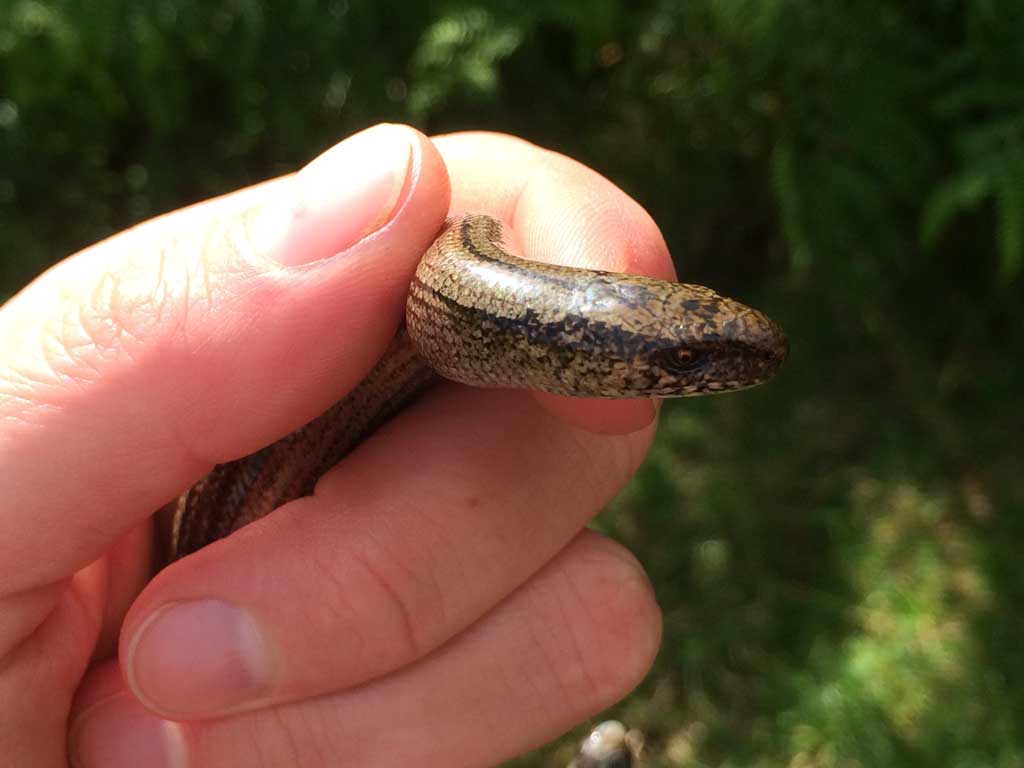
As well as the diverse bird life we have amongst other species: roe deer, red squirrels, hares, foxes, badgers, stoats and weasels on the farmland. Otters are making a comeback in to the area and have been sighted just 10 minutes’ walk from the farmhouse. The Borrowdale Fells have a breeding population of wild red deer. There are five species of bats roosting in the area around the farm. John has specialist equipment to help locate these and detect their calls which can make for a fascinating night walk enhanced by the chance of seeing nocturnal animals such as owls, foxes and badgers. See our gallery of 4 legged animals here.
As both John and Vicki have a keen interest in nature they are working to encourage more species on to the farm by providing suitable habitat (including over 250 bird and bat boxes which they survey annually). John can share his love and knowledge of nature with you on guided walks or by helping you find some of the local species yourself.
Birds and especially mammals do not turn up on request and it can take time, patience and effort to see a lot of different species. John’s local knowledge will help you find as many species as possible and often you can be surprised by seeing an unexpected bird or mammal whilst looking for another.
Tours
Why not join John for a half or whole day experience combining farming, fell walking or the historic countryside with bird and wildlife watching. The following tours are very flexible and can be altered to match your interests. Please call John who will tailor your visit to suit you. Because of the flexibility, costs will vary so please contact us for further details.
John: 07798 767806 or 017687 70204 (after 7pm).

Farming and Birdwatching
- Half day
- Get involved in a day in the life of a sheep farmer. This will give you a great opportunity to see the local wildlife in their natural habitat.
- Full day
- As above but with the chance to walk on the fantastic Lake District fells (mountains) and learn about the traditional hill farming system.

Lowland Birdwatching
- Half day
- Go bird and nature-watching in the Buttermere area
- Full day
- Search for birds further afield in lowland, marsh and/or coastal habitats depending on the weather and time of year.

Fell Walking and Birdwatching
- Half or full day (depending on fitness!)
- Walk the fells with a local who is proud to call these mountains his home. Explore areas off the beaten track looking for birds and other wildlife and experience the amazing scenery.

Historic Countryside and Birdwatching
- Full day
- Look for birds interspersed with visits to cultural and historic sites around the Lake District.
UNESCO World Heritage status
The English Lake District in the county of Cumbria in north-west England is an area of 2292 square kilometres and was made a UNESCO World Heritage Site in early July 2017. The recognition of the area’s ‘Outstanding Universal Value’ acknowledges the combined work of nature and human activity. Diverse factors have shaped this landscape with glaciers carving valleys and forming lakes; traditional hill farmers grazing their iconic Herdwick sheep and building the dry-stone walls that traverse the mountains; the grand houses, gardens and parks created in the 18th and 19th centuries. This harmonious beauty served as inspiration to Picturesque and Romantic movements which reflected it in paintings, drawings and words by the likes of William Wordsworth, Samuel Coleridge, Thomas de Quincey, John Ruskin and Hugh Walpole.
This new love of nature inspired development of a number of powerful ideas and values including a new relationship between humans and landscape based on emotional engagement; the value of the landscape for inspiring and restoring the human spirit; and the universal value of scenic and cultural landscapes. This in turn led to practical conservation initiatives to protect its scenic and cultural qualities and to the development of recreational activities to experience the landscape, all of which continue today.
The farming in the Lake District is special because of its communal nature which includes the grazing of sheep ‘hefted’ on common land. This process has evolved over at least one thousand years and means that each female sheep or ewe will return to the same area of fell ground every year teaching its lambs to do the same. These sheep, on mountains inaccessible by motorised vehicles, have to be gathered in by the local farmers working together along with teams of specialised dogs that can work both under direction of the farmer and independently often hundreds of metres away. The process of bringing in and returning the sheep to their pastures is a sight to behold and happens around four times each year with different areas of the mountains gathered on different days meaning hundreds of miles of rough terrain walked each year by the farmers on foot and even more for the dogs!
This mixture of habitats make the area rich in different species of animals. With northwest England’s only cliff-nesting seabird colonies, deciduous and coniferous forests, lakes, moorland and high mountains all under an hour away the diversity of bird types range from guillemots to peregrines, waders to warblers and red grouse to ospreys. Mammals include 7 species of bats, red and roe deer, red squirrels, badgers, foxes, hares, otters, polecats and many more. Taking a guided walk in any of these areas with an experienced wildlife watcher would greatly enhance the chances of seeing some of those less easily seen.
Just like the Picturesque and Romantic movements discovered, it’s time we saw wildlife watching in Cumbria as one of the real Lake District attractions!